
Winter is Coming: A Homeowner's Guide to Protecting Your Roof from Arkansas Ice Storms
Here in the Hot Springs area, we know that winter isn’t just about cozy nights—it often brings the formidable threat of an ice storm. The glistening, icy coating on trees can be beautiful, but for a homeowner, it’s a sign of potential trouble. The immense weight of ice and the subsequent freeze-thaw cycles can put your roof under serious stress, leading to costly damage that compromises the safety and integrity of your home. Many homeowners worry about unpredictable weather causing unexpected problems, and an ice storm is one of the biggest culprits. At Ark Roofing and Gutters LLC, we believe that preparation is the best defense. This guide will walk you through understanding the risks and taking proactive steps to ensure your roof is ready to stand strong against whatever winter throws its way.
The Hidden Dangers of Ice on Your Roof
The most obvious threat from an ice storm is the sheer weight of the ice accumulation. A single inch of ice can add thousands of pounds of stress to your roof's structure. This weight can strain rafters, cause sagging, and even lead to a structural failure in extreme cases. However, an even more common and insidious problem is the formation of ice dams.
An ice dam is a ridge of ice that forms at the edge of a roof, preventing melting snow and ice from draining off. Here’s how it happens:
- Heat Escape: Heat from your home rises into the attic, warming the underside of the roof deck.
- Melting: This warmth causes the snow and ice on the upper parts of your roof to melt, even when the outside temperature is below freezing.
- Refreezing: The meltwater runs down the roof until it reaches the colder eaves (the roof's edge), where it refreezes.
- The Dam: As this process continues, a thick ridge of ice—the dam—builds up along the eaves, trapping water behind it.
This trapped water has nowhere to go but under your shingles, where it can leak into your attic, soak insulation, damage ceilings and walls, and even lead to mold and mildew growth. What starts as a winter wonderland outside can quickly become a major headache inside.
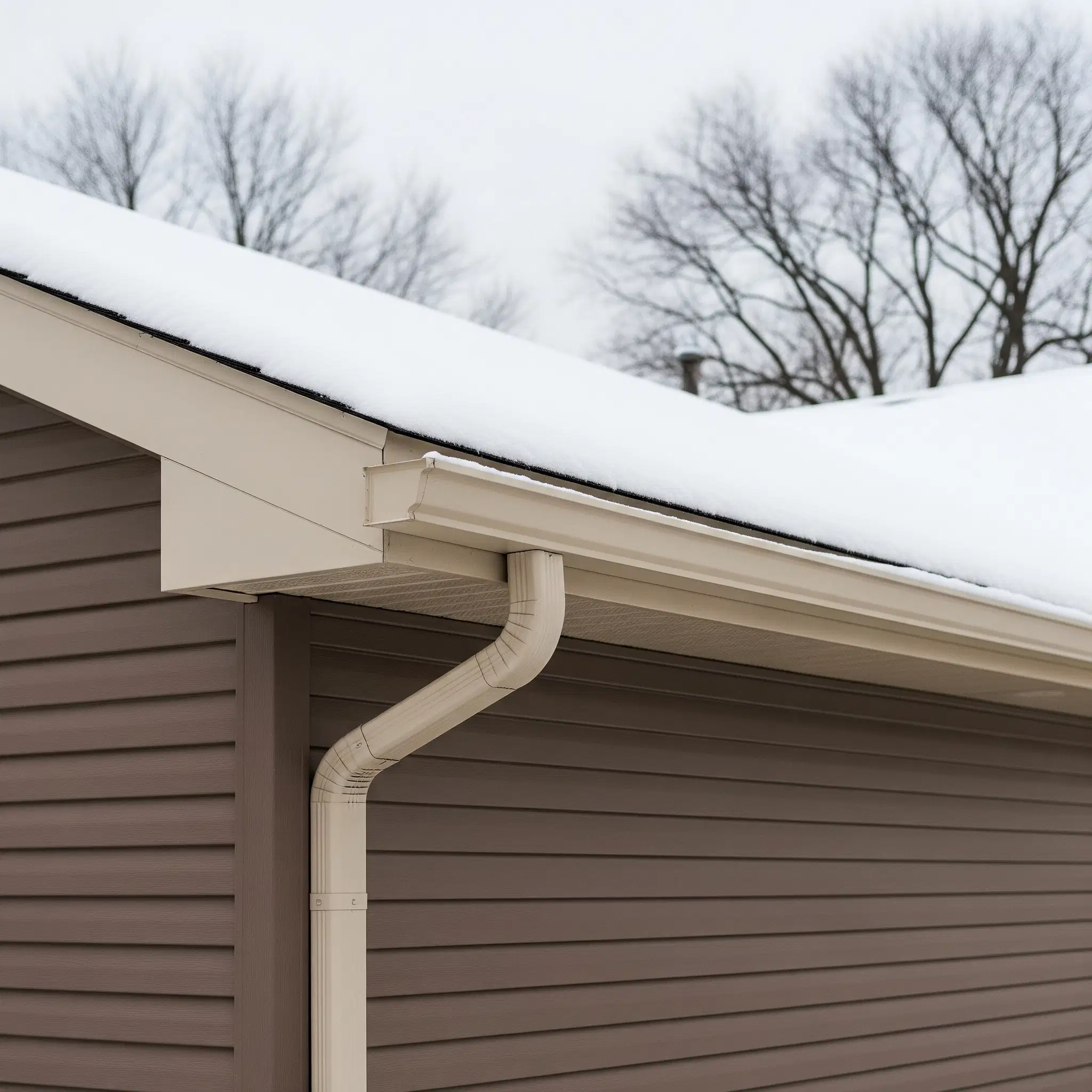
Proactive Protection: 3 Steps to Prepare Your Roof for Winter
Being proactive is the most effective way to prevent ice storm damage. Taking a few key steps in the fall, before the first freeze, can save you significant stress and expense later. It’s an investment in your home's durability and your own peace of mind.
1. Prioritize Gutter Health: Your gutters are the first line of defense against ice dams. When they are clogged with leaves, twigs, and other debris, water can't drain properly. This standing water is the perfect ingredient for an ice dam to form. A thorough cleaning in late fall ensures that meltwater has a clear path to flow away from your roof and foundation. If you notice your gutters are sagging or damaged, it's crucial to get them fixed. Learn more about our Gutter Repair & Maintenance services.
2. Schedule a Professional Roof Inspection: Small problems can become big disasters under the stress of ice and snow. A professional roof inspection can identify vulnerabilities like loose or cracked shingles, damaged flashing around chimneys and vents, and failing seals. Addressing these minor repairs proactively reinforces your roof's defenses, ensuring it's a continuous, water-tight shield.
3. Balance Your Attic's Environment: The key to preventing ice dams is keeping your roof's surface temperature consistent from peak to eave. This is achieved through a combination of proper insulation and ventilation. Insulation on the attic floor prevents warm air from reaching the roof deck, while a robust ventilation system allows that heat to escape. Proper attic venting creates a cool, dry attic, which means no premature melting and refreezing on your roof.

After the Storm: How to Spot Trouble Safely
Once an ice storm has passed, it's natural to want to assess the situation. However, your safety should always come first. Never get on an icy or snow-covered roof. The risk of a serious fall is far too high. Instead, you can look for signs of damage from the ground and inside your home.
From the outside, look for:
- Thick Ice Dams: Visible ridges of ice along the eaves.
- Abundant Icicles: While pretty, a large number of icicles can indicate that an ice dam has already formed.
- Sagging Gutters: The weight of ice can pull gutters away from the house or cause them to bend.
- Damaged Shingles: Look for any shingles on the ground that may have been dislodged by ice or falling branches.
From the inside, check for:
- Water Stains: Look for discoloration on ceilings and walls, particularly near exterior walls.
- Active Leaks: Check your attic for signs of moisture, wet insulation, or dripping water.
If you see any of these warning signs, it's time to call a professional. We can safely assess the extent of the damage and recommend the best course of action, whether it's a simple roof repair or a more comprehensive solution to prevent future issues.
Stay Ahead of Winter with a Trusted Local Partner
An Arkansas ice storm is a serious event, but it doesn't have to result in serious damage to your home. By understanding the risks and taking preventative measures like cleaning your gutters, ensuring proper attic ventilation, and getting a professional inspection, you can face the winter with confidence. Protecting your home is about ensuring its long-term durability and the safety of your family.
Don't wait for the ice to build up. As a local company committed to serving our neighbors in Hot Springs and the surrounding communities, we're here to help. Contact Ark Roofing and Gutters LLC today to schedule a pre-winter roof inspection, discuss our gutter maintenance plans, or get an expert assessment of your attic venting. Let's make sure your home is ready for the season.